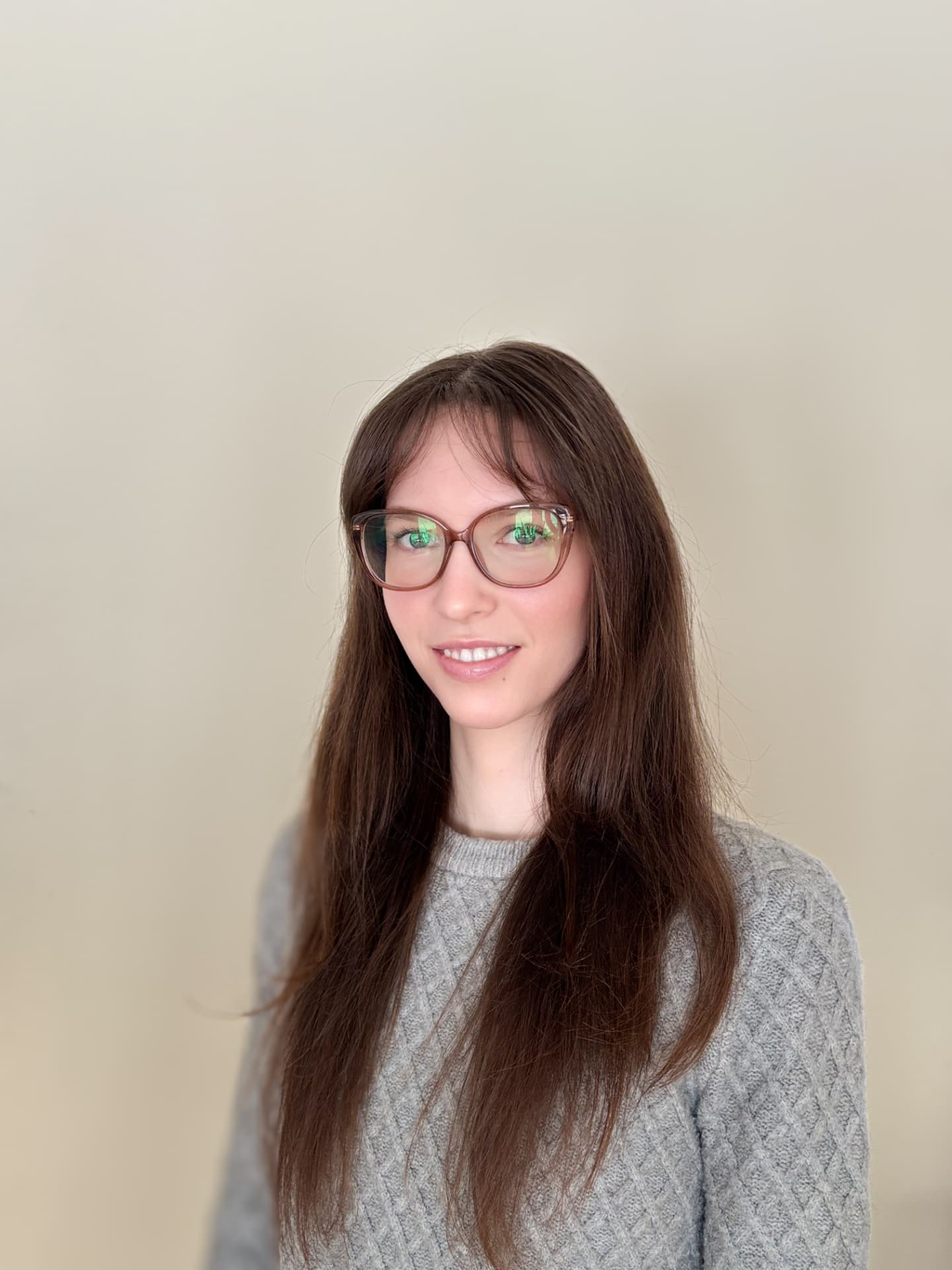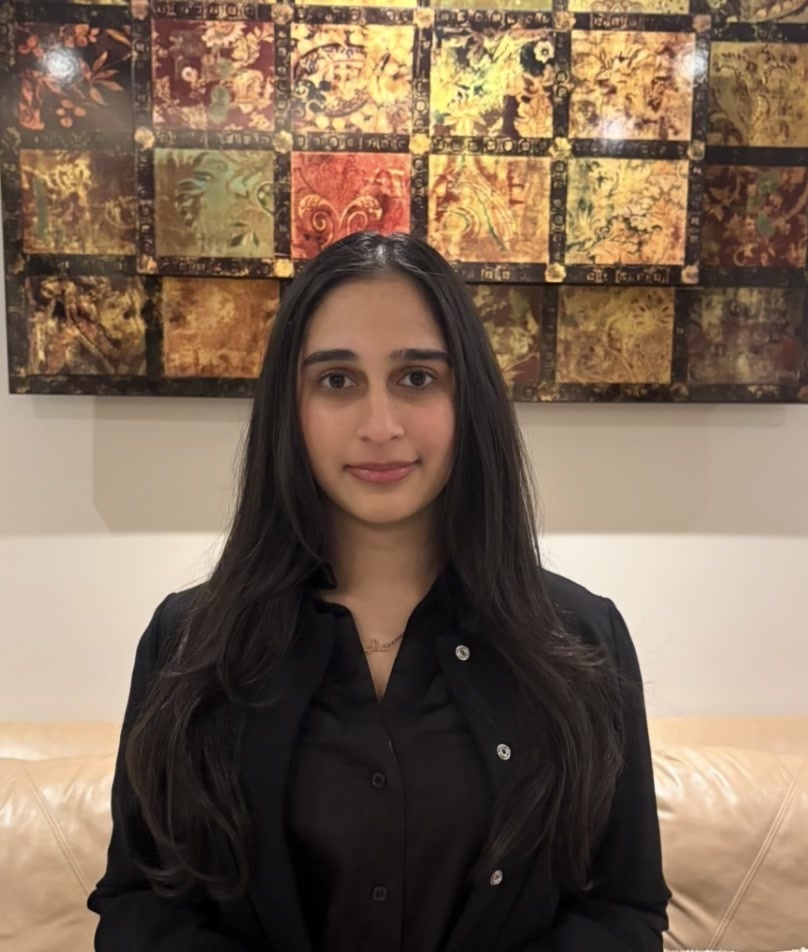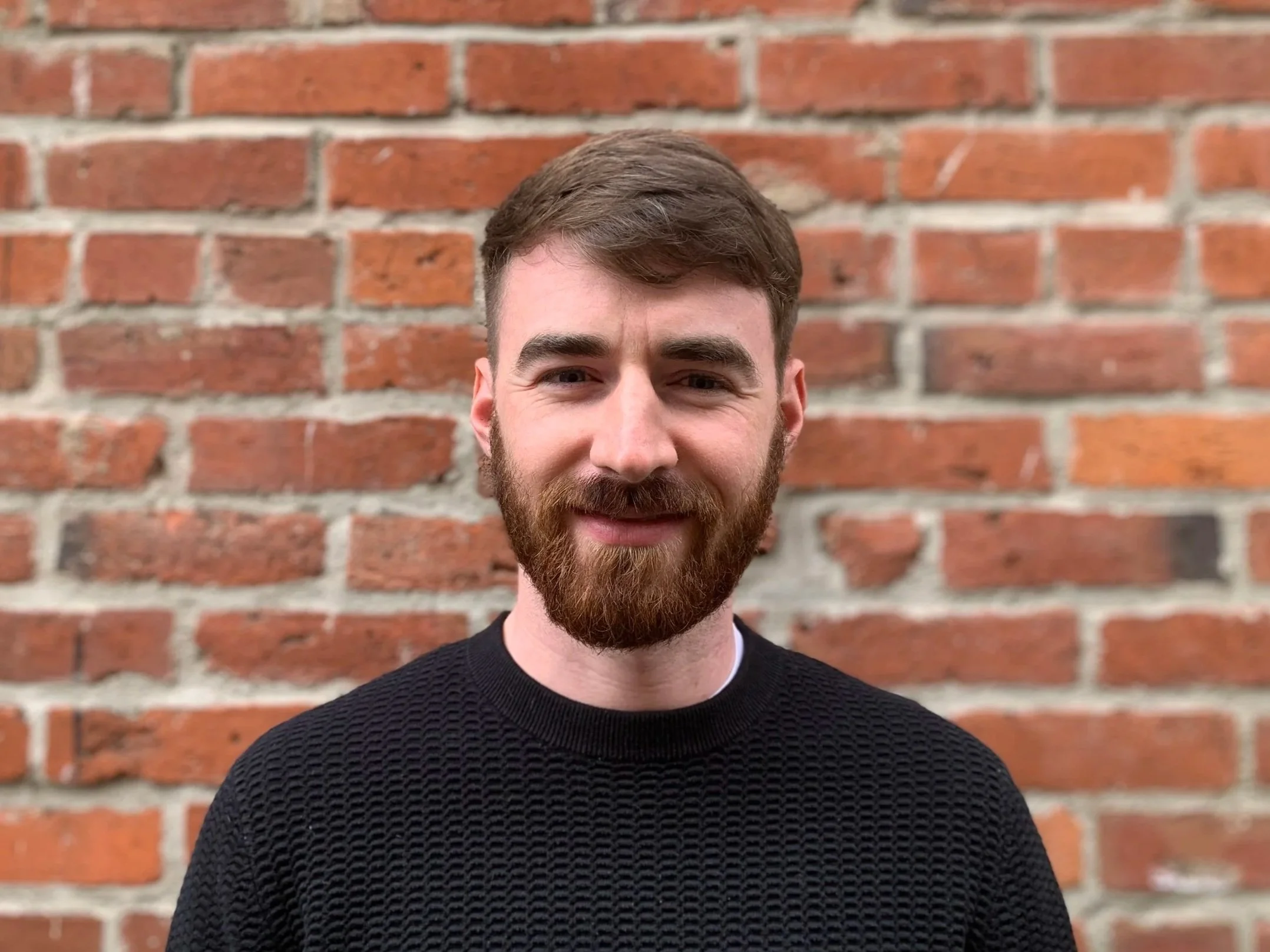
Aliya Sattar
Undergraduate Student
Project
Studying the online promotion and monetization of Ivermectin as a cancer treatment, with a focus on how these claims are communicated on social media.
People

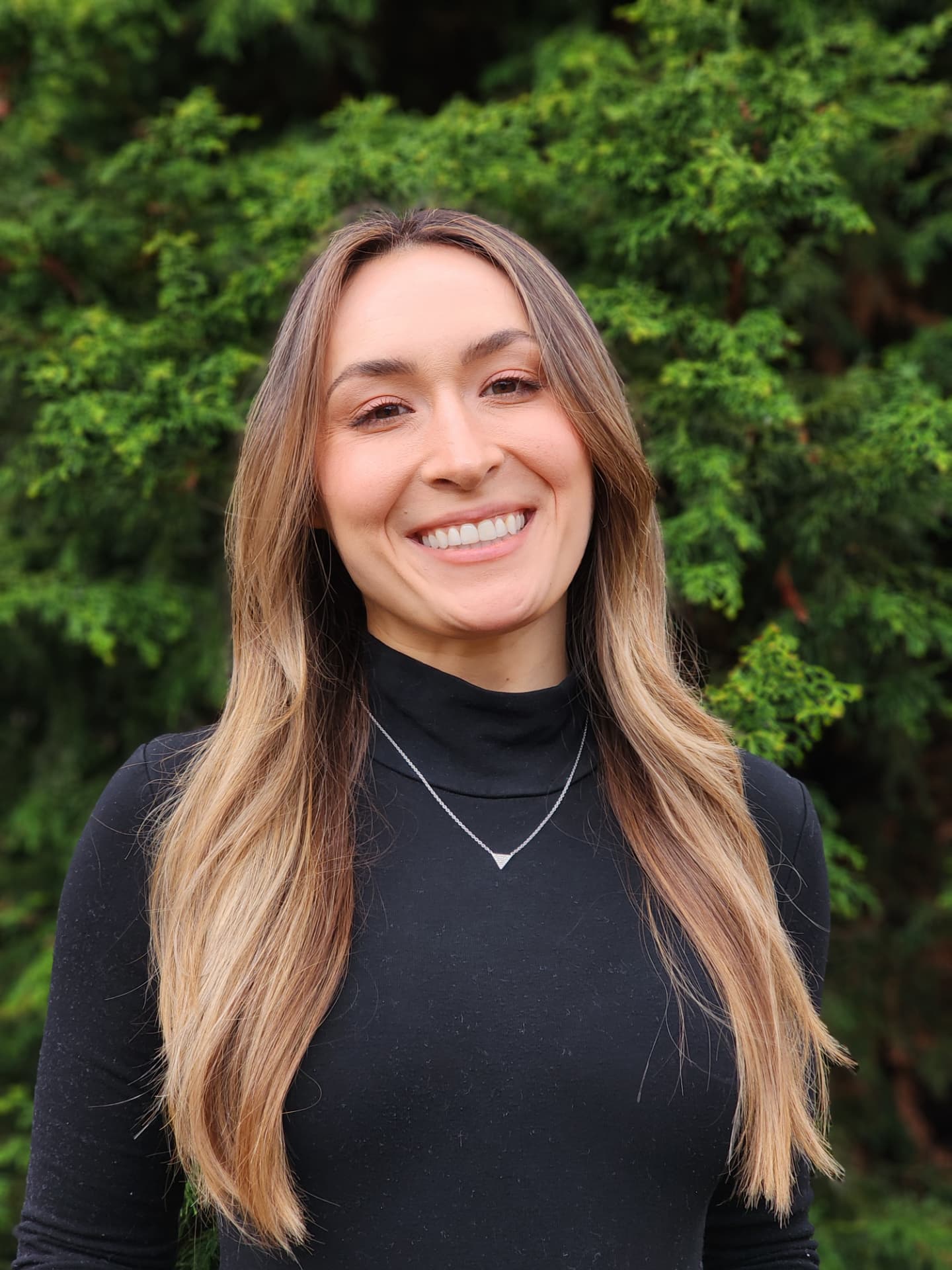
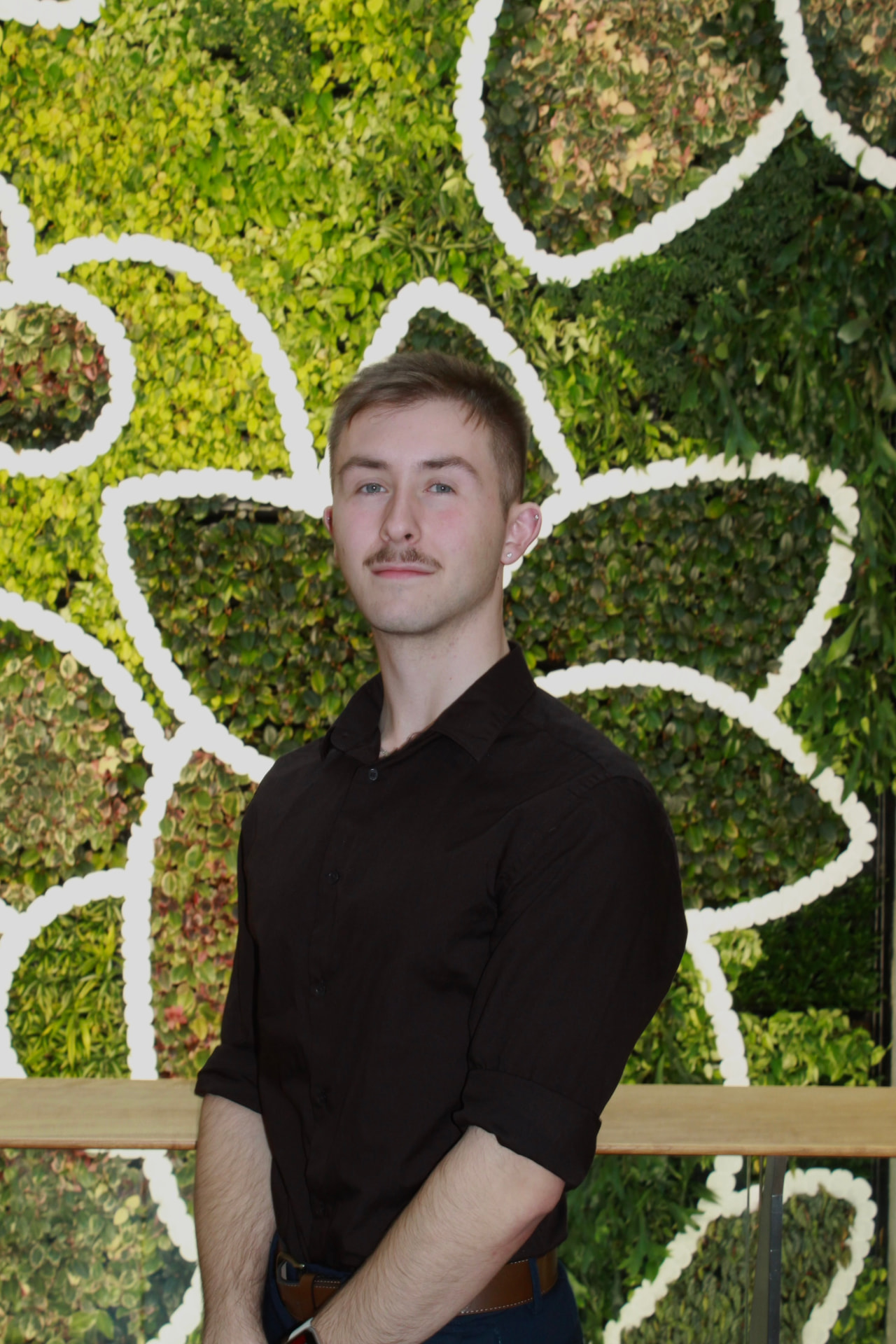
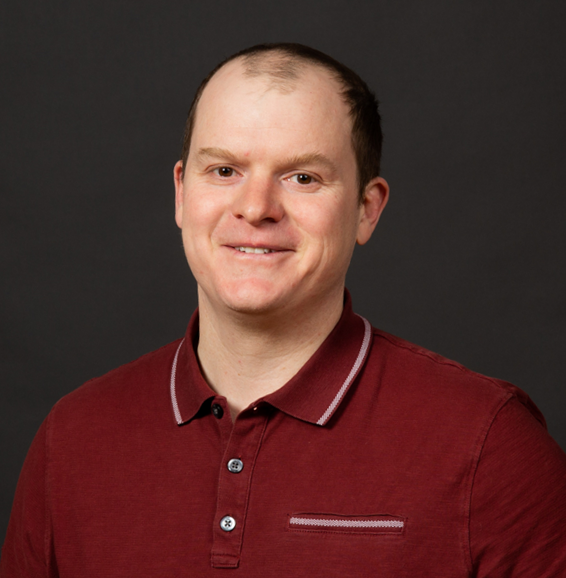
Assistant Professor
Marco Zenone is an Assistant Professor in the Faculty of Health Sciences at the University of Ottawa. His research examines how digital platforms, commercial actors, and online information environments shape health. Drawing on the commercial determinants of health, he studies how mis/disinformation spreads, why it persists, who profits from it, and what can be done to create safer and more trustworthy information ecosystems. Much of his work focuses on cancer misinformation, unproven medical treatments, influencer marketing, social media, search engines, artificial intelligence, and platform governance.
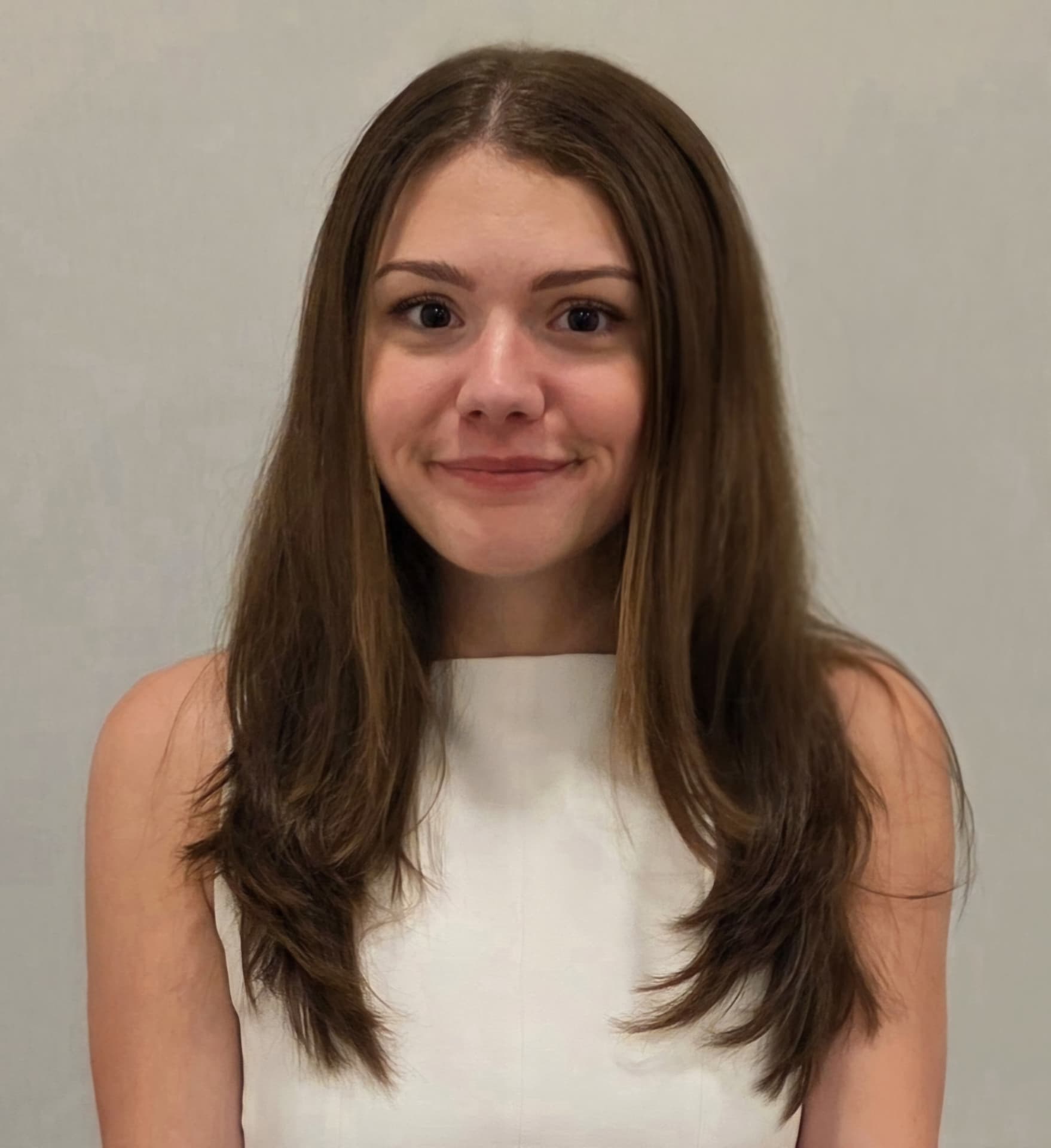
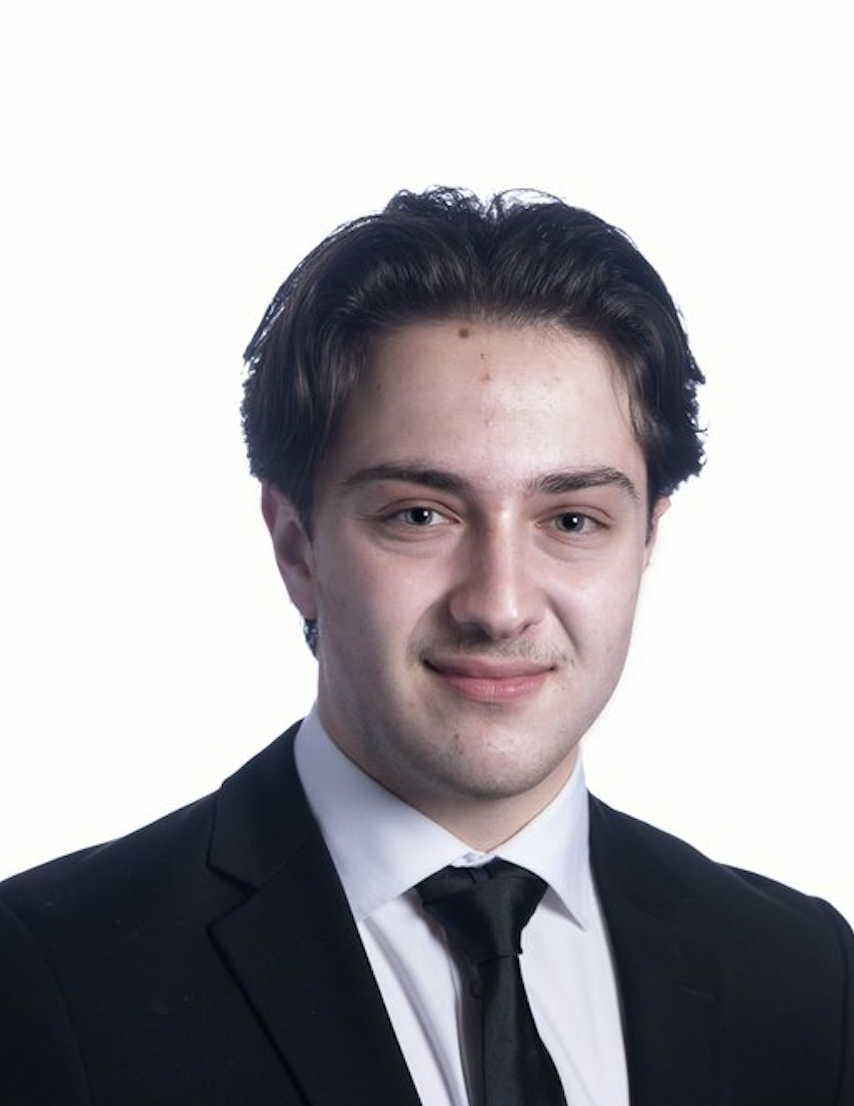
Undergraduate Student
Project
Studying the online promotion and monetization of Ivermectin as a cancer treatment, with a focus on how these claims are communicated on social media.
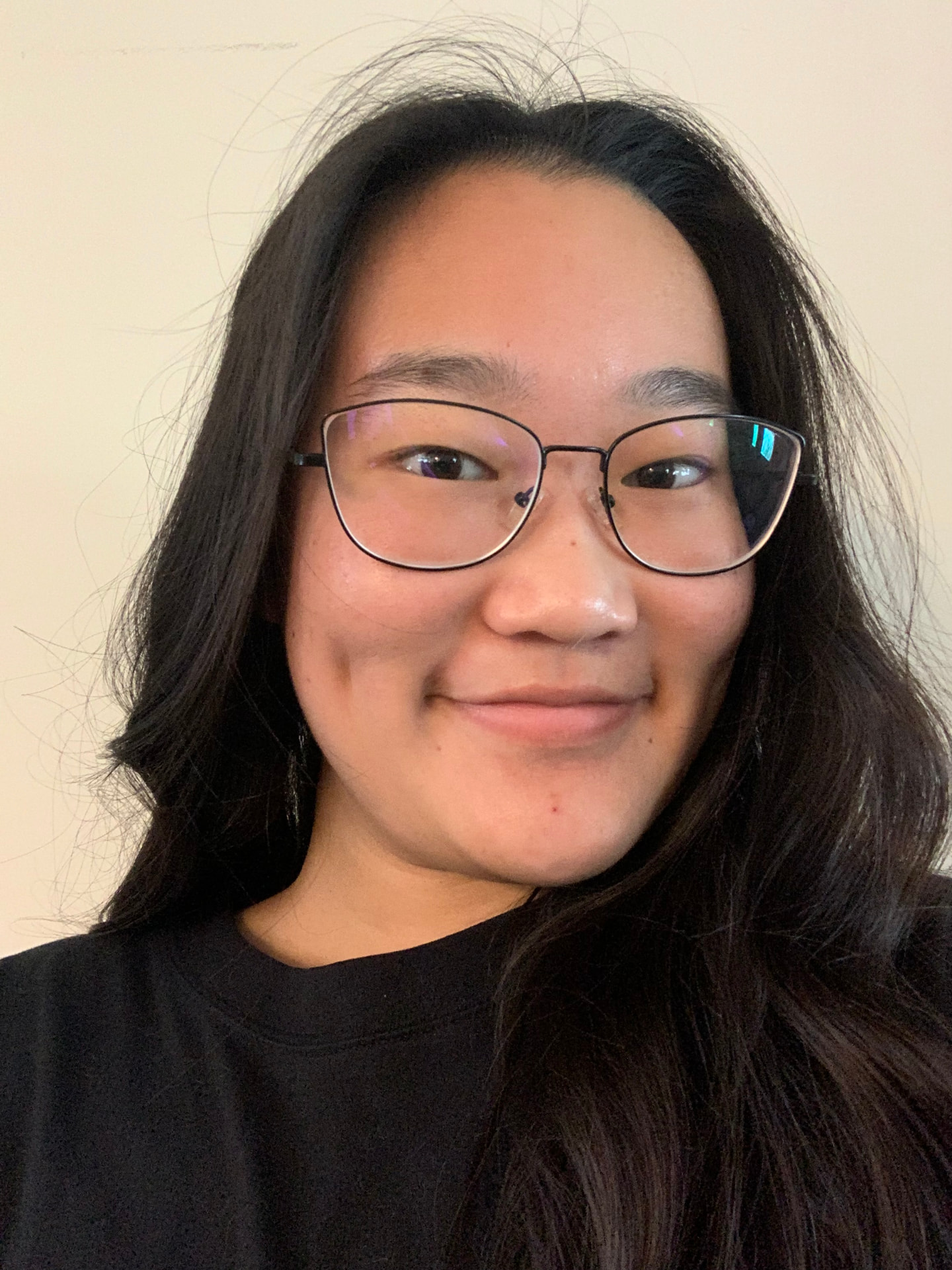
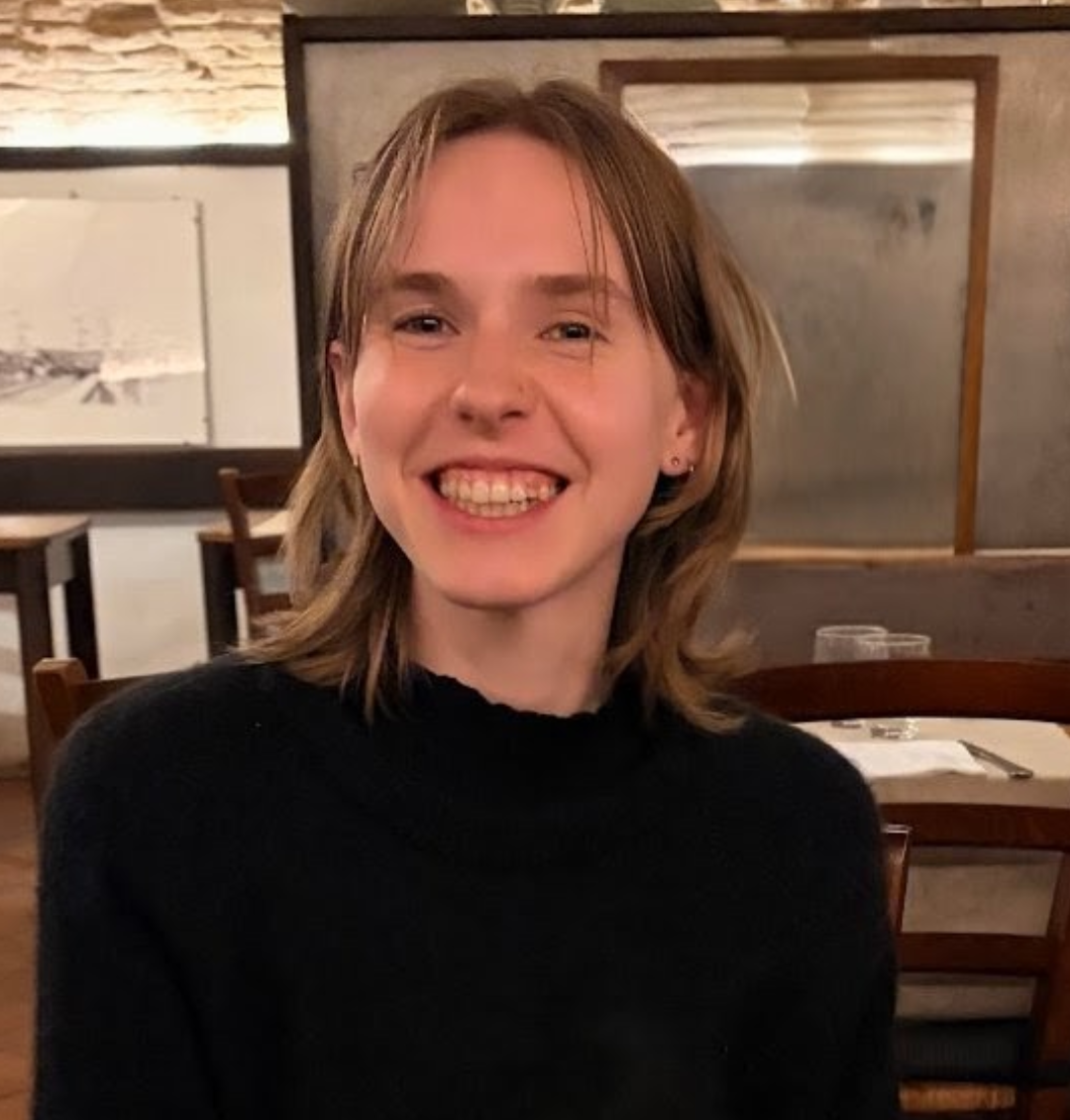
Undergraduate Student
Project
Examining how naturopathic oncology practitioners frame the benefits of naturopathy in cancer treatment online, including treatment claims, persuasive strategies, and the construction of professional credibility.
Health Information Ecosystems Research (Zenone Lab) welcomes inquiries from undergraduate students, graduate students, and postdoctoral fellows interested in pursuing research on health disinformation and misinformation, digital platform governance, science communication, the commercial determinants of health, and the online portrayal of health and wellness.
Please send a current CV and a brief description of the research you would like to work on.
If you are passionate about critically examining how health is communicated and distorted in the digital age, we encourage you to get in touch. For more information or to express your interest, please contact Dr. Marco Zenone at mzenone[at]uottawa.ca.